Personal Tax Allowance UK — Income Tax Bands 2025/26 Explained
How much Income Tax do you actually pay? It starts with one number: your Personal Allowance. This guide explains the £12,570 personal tax allowance UK, the 2025/26 Income Tax bands, and how to work out your tax at any salary — in plain English.
What is the Personal Allowance?
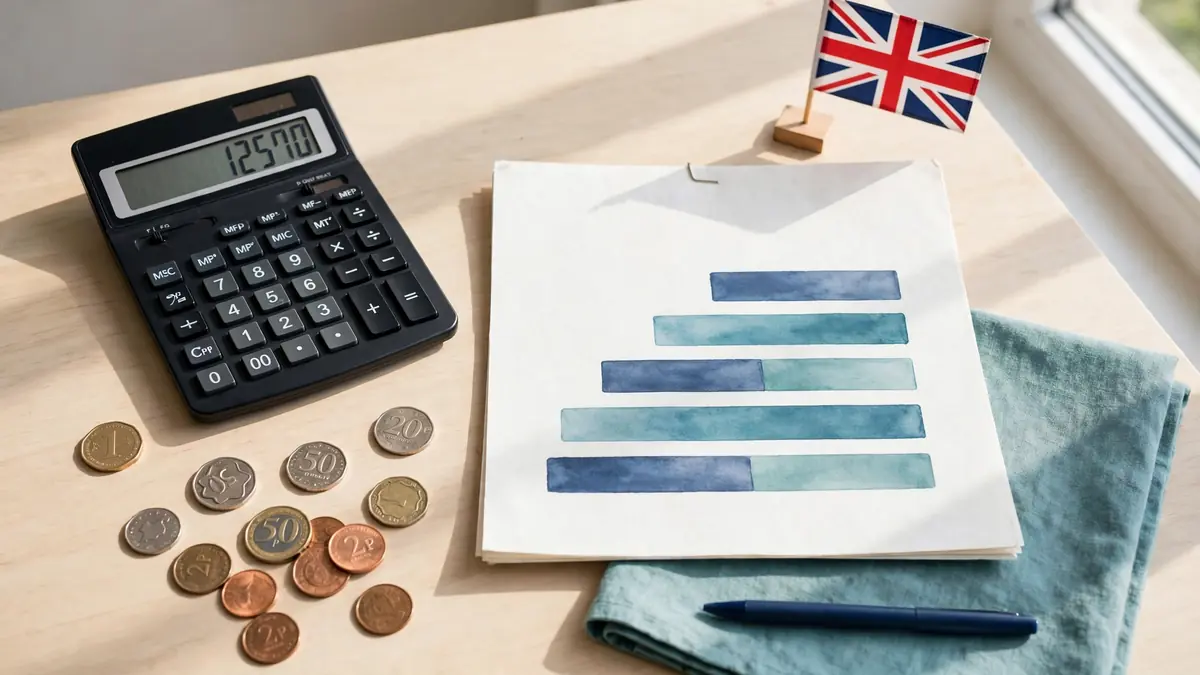
The personal tax allowance UK is the amount of income you can earn each year before you pay any Income Tax on it. For the 2025/26 tax year (6 April 2025 to 5 April 2026) the standard Personal Allowance is £12,570.
If your total income is £12,570 or less, you pay no Income Tax at all. If you earn more than that, you only pay tax on the income above £12,570 — not on the whole amount.
The allowance has been frozen at £12,570 for several years. It is the same figure for the current tax year, so this guide stays useful beyond 2025/26 — but always check GOV.UK for the year you are filing for.
The 2025/26 Income Tax bands (England, Wales and Northern Ireland)
These rates apply to most people in England, Wales and Northern Ireland. Scotland sets its own Income Tax bands for most non-savings income, so check the Scottish rates if you live in Scotland.
| Band | Income | Tax rate |
|---|---|---|
| Personal Allowance | Up to £12,570 | 0% |
| Basic rate | £12,571 to £50,270 | 20% |
| Higher rate | £50,271 to £125,140 | 40% |
| Additional rate | Over £125,140 | 45% |
The key point most people miss: you only pay the higher rate on the part of your income inside that band. Earning £51,000 does not mean all £51,000 is taxed at 40%. Only the £730 above £50,270 is taxed at 40% — everything below it is taxed at 20% or 0%.
Worked examples
Example 1 — £30,000 salary
- Taxable income: £30,000 − £12,570 = £17,430
- All of it is in the basic-rate band: £17,430 × 20% = £3,486 Income Tax
- You keep £26,514 before National Insurance and pension deductions.
Example 2 — £60,000 salary
- Basic-rate tax: £37,700 × 20% = £7,540 (the maximum basic-rate bill)
- Higher-rate tax: (£60,000 − £50,270) = £9,730 × 40% = £3,892
- Total Income Tax: £11,432
Example 3 — £100,000 salary
- Basic-rate tax: £7,540
- Higher-rate tax: (£100,000 − £50,270) = £49,730 × 40% = £19,892
- Total Income Tax: £27,432 — before the allowance taper below starts to bite.
These examples are Income Tax only, worked out after the £12,570 personal tax allowance UK. National Insurance, pension contributions and student loan repayments are separate deductions.
The £100,000 trap — your allowance shrinks
If your adjusted net income is over £100,000, your Personal Allowance goes down by £1 for every £2 you earn above £100,000.
At £125,140 your allowance is zero — you have lost the whole £12,570. That is why the income between £100,000 and £125,140 carries an effective marginal rate of about 60%: you pay 40% tax on the extra income, plus 40% on the allowance you are losing.
This is why pension contributions and Gift Aid donations matter so much at this level: they can reduce your adjusted net income, which can restore some of your allowance. Check the rules on GOV.UK or speak to an accountant before you rely on this.
What is your tax code?
Your tax code tells your employer how much tax-free pay to give you. The most common code is 1257L — that is the £12,570 standard allowance.
If your code is different, your allowance may be different — for example if you have a company car, or you owe tax from a previous year. Check your code in your Personal Tax Account on GOV.UK, and tell HMRC if it looks wrong. A wrong code means you pay the wrong tax every month.
Does the Personal Allowance cover all income?
Yes — it covers your total income: salary, self-employment profit, rental income, savings interest and dividends, added together. It is not £12,570 per source.
Some income has its own allowances on top — for example, there are separate allowances for savings interest and dividends, and a £1,000 trading allowance for small amounts of self-employment income. Those are separate topics, and we will cover them in later posts.
What to check now
- Know your tax code — is it 1257L, or something else?
- Work out which band your income falls into, using the table above.
- If you earn over £100,000, check whether the allowance taper affects you.
- If you are self-employed, remember the Personal Allowance applies to your profit after allowable expenses, not to your total sales.
Frequently asked questions
What is the Personal Allowance for 2025/26?
The personal tax allowance UK for 2025/26 is £12,570 — the amount you can earn before you pay Income Tax.
Do I pay 40% tax on my whole salary if I earn over £50,270?
No. You pay 20% up to £50,270, and 40% only on the income above £50,270.
What happens to my Personal Allowance over £100,000?
The personal tax allowance UK reduces by £1 for every £2 over £100,000, and disappears completely at £125,140.
Is the Personal Allowance the same in Scotland?
The £12,570 allowance is UK-wide, but Scotland has its own Income Tax bands and rates for most non-savings income — check the Scottish rates separately.
Do I get a Personal Allowance if I earn over £125,140?
No. At £125,140 and above your allowance is zero, and income above that is taxed at the 45% additional rate.
Read next: Self Assessment Tax Return UK 2025/26 — Deadline, Who Must File & How to File
This article gives general information about UK tax, not personal financial or tax advice. Tax rules can change, and your situation may be different. Check GOV.UK or speak to a qualified accountant before you act.