ISA Pension Savings Tax UK — Simple Guide for Beginners
Most people pay tax on savings, investments and pensions without thinking about it — until a tax bill arrives. The tax system gives you generous allowances and tax-free wrappers that protect a lot of ordinary saving from tax. This ISA pension savings tax UK guide explains ISAs, pensions and savings tax in plain English.
The three wrappers, in one paragraph
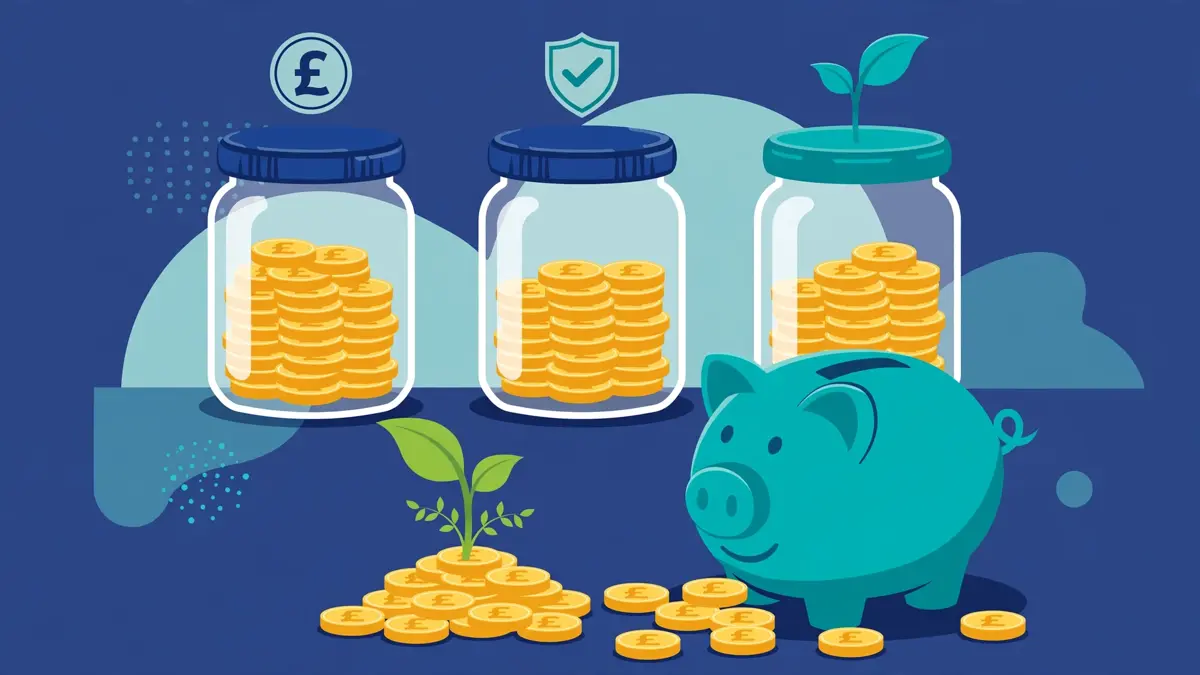
Think of an ISA, a pension and an ordinary savings account as three different boxes. An ISA is a tax-free box: interest, dividends and growth inside it are tax-free, and so are withdrawals. A pension is a tax-relieved box for retirement: tax relief goes in, it grows tax-free, and you pay Income Tax on most of what comes out. An ordinary savings account is a plain box: interest is taxable, but allowances mean many people pay no tax.
ISAs: tax-free saving and investing
An ISA is the simplest tax shelter most people will ever use. In 2025/26 you can put in up to £20,000 per person, unchanged for 2026/27. Unused allowance cannot be carried forward. Since April 2024 you can hold multiple ISAs of the same type in one tax year and make partial transfers.
Lifetime ISA. Aged 18 to 39, you can pay up to £4,000 a year into a Lifetime ISA. The government adds a 25% bonus — up to £1,000 a year — so £4,000 in becomes £5,000. It is for a first home or retirement after 60; other withdrawals usually face a 25% charge. Junior ISA. For under-18s, the allowance is £9,000 a year, accessible at 18.
| ISA type | Annual limit | Key point |
|---|---|---|
| All ISAs combined | £20,000 | Cannot be carried forward |
| Lifetime ISA (within the £20,000) | £4,000 | 25% bonus, up to £1,000/year |
| Junior ISA | £9,000 | Under-18s, accessible at 18 |
Worked example — ISA vs ordinary savings. You have £20,000 earning 4% interest, which is £800 a year. Inside a Cash ISA, all £800 is tax-free, every year. Outside an ISA, the same £800 counts towards your Personal Savings Allowance first. A basic-rate taxpayer with a £1,000 allowance would pay no tax — but other interest, or a smaller allowance, could make some taxable. The ISA removes the question entirely.
Pensions: tax relief going in, tax coming out
A pension is the most tax-efficient way to save for retirement, thanks to tax relief on contributions. The annual allowance is £60,000 a year, or 100% of your earnings if lower — so on £40,000 of earnings, the most is £40,000. Unused allowance can usually be carried forward up to three years. Above £260,000 of adjusted income, it tapers down to as low as £10,000. Once you start drawing a pension flexibly, the £10,000 Money Purchase Annual Allowance applies instead.
How tax relief works. A basic-rate taxpayer pays £80; HMRC adds £20, making £100. Higher-rate taxpayers can claim the extra relief through Self Assessment. Non-earners can still contribute up to £3,600 gross a year (£2,880 net).
Worked example — £100 a month into a pension. You pay £80 a month; HMRC adds £20, so £100 a month (£1,200 a year) goes in. Over a year you have paid £960 and HMRC has added £240. A higher-rate taxpayer can also claim back a further 20% through Self Assessment — another £240 a year — so the £1,200 has effectively cost £720.
The old Lifetime Allowance was abolished in April 2024; new lump-sum limits apply — check GOV.UK. The State Pension is separate from your workplace or personal pension. You need 35 qualifying years for the full new State Pension, and at least 10 to get anything. In 2025/26 the full new State Pension is £241.30 a week (£12,548 a year). It is taxable, but paid without tax deducted, so it uses up part of your Personal Allowance.
A change coming in 2027. From 6 April 2027, most unused pension funds and death benefits will fall within Inheritance Tax. Pensions will no longer sit outside your estate for Inheritance Tax purposes. If you have a large pension, review your plans — and speak to a qualified adviser — before then.
Savings tax: the Personal Savings Allowance and the starting rate
Interest on ordinary savings is taxable, but two allowances protect most people. The Personal Savings Allowance (PSA) is £1,000 a year for basic-rate taxpayers, £500 for higher-rate, and £0 for additional-rate. The starting rate for savings gives you up to £5,000 of interest at 0% if your non-savings income is below £17,570; it falls by £1 for every £1 your non-savings income is above the Personal Allowance of £12,570. Interest above those allowances is taxed at your Income Tax rate — 20%, 40% or 45%. Banks usually pay interest without deducting tax; HMRC collects any tax due through your tax code or Self Assessment.
Worked example — £1,500 of savings interest. You are a basic-rate taxpayer with £1,500 of interest in a year. Your allowance covers the first £1,000 tax-free. The remaining £500 is taxed at 20%, which is £100 of tax. Inside a Cash ISA, the tax would have been nil — and your Personal Savings Allowance untouched.
| Your tax band | Personal Savings Allowance | Tax on interest above it |
|---|---|---|
| Basic rate (20%) | £1,000 | 20% |
| Higher rate (40%) | £500 | 40% |
| Additional rate (45%) | £0 | 45% |
Which order should you use them in?
This is general information, not personal advice — but a common-sense order for ISA pension savings tax UK is: first, your pension, at least up to your employer’s match — free money on top of tax relief. Second, an ISA, for tax-free growth and flexibility. Third, ordinary savings for the rest — an emergency fund in an easy-access account, with your allowances keeping the tax low. A pension is the most tax-efficient for retirement, but the money is locked away until at least age 55 (57 from 2028), so do not put money you might need sooner into a pension.
What to check now
- Have you used this year’s £20,000 ISA allowance before 5 April? It cannot be carried forward.
- Are you getting the full employer match on your workplace pension?
- How much savings interest will you earn this year, and does it fit inside your Personal Savings Allowance?
- If you have a Lifetime ISA, are you on track for the £4,000 limit and 25% bonus?
- If you have a large pension, have you checked what the 6 April 2027 Inheritance Tax change means for you?
Frequently asked questions
How much can I put in an ISA each year?
£20,000 per person per tax year, across all ISA types combined, and you cannot carry forward unused allowance. Up to £4,000 of it can go into a Lifetime ISA, earning a 25% government bonus.
Is ISA interest really tax-free?
Yes. Interest, dividends and gains inside an ISA are tax-free, and so are withdrawals. That is the whole point of the ISA.
How much tax relief do I get on pension contributions?
A basic-rate taxpayer gets 20% relief automatically: you pay £80, HMRC adds £20, so £100 goes in. Higher-rate taxpayers can claim the extra relief through Self Assessment. The annual allowance is £60,000, or 100% of earnings if lower.
How much savings interest can I earn without paying tax?
A basic-rate taxpayer gets a £1,000 Personal Savings Allowance, a higher-rate taxpayer £500, and an additional-rate taxpayer £0. If your non-savings income is below £17,570, you may also get up to £5,000 of interest at 0% under the starting rate.
What is changing about pensions and Inheritance Tax in 2027?
From 6 April 2027, most unused pension funds and death benefits will fall within Inheritance Tax; pensions have previously sat outside your estate for this purpose. If this affects you, get qualified advice before the change takes effect.
This article gives general information about UK tax, not personal financial or tax advice. Tax rules can change, and your situation may be different. Check GOV.UK or speak to a qualified accountant before you act.